What to Expect at a DWI/DUI Assessment in New York

A DWI/DUI assessment at Spring Hill Wellness helps New Yorkers meet legal requirements and restore their license through confidential, OASAS-certified evaluations.


springhill wellness ny
Spring Hills Wellness
What to Expect at a DWI/DUI Assessment in New York

Understanding the Purpose of a DWI/DUI Assessment

After being charged with Driving While Intoxicated (DWI) or Driving Under the Influence (DUI) in New York State, one of the first legal steps is to complete an OASAS-approved Alcohol and Drug Assessment. This process, often referred to as a DWI evaluation, is part of the Impaired Driver System under New York State Vehicle and Traffic Law Section 1198-a (VTL 1198-a).

The goal is not to punish you — it’s to determine whether alcohol dependency or substance misuse contributed to the incident and to identify safe, appropriate next steps. Assessments are required for participation in the Impaired Driver Program (IDP), for reinstating a driver license or learner permit, or as part of sentencing under NYS DWI law VTL 1192.

At Spring Hill Wellness in Manhattan, our licensed counselors provide these OASAS-certified alcohol assessments confidentially and respectfully. We help clients meet legal requirements, satisfy court mandates, and move forward with confidence.
What Is an OASAS Alcohol Assessment?

An Alcohol Assessment — sometimes called an Impaired Driver Screening and Assessment — is a clinical evaluation performed by a licensed counselor or health-care provider certified by the Office of Addiction Services and Supports (OASAS).

The assessment follows strict assessment standards established by the Regulations of the Commissioner of Motor Vehicles and must comply with confidentiality laws (42 CFR Part 2) to protect your privacy. The outcome determines whether you’ll complete simple educational programming or enter a substance abuse counseling or rehabilitation program such as an Intensive Outpatient Program (IOP).

The DWI Evaluation Process

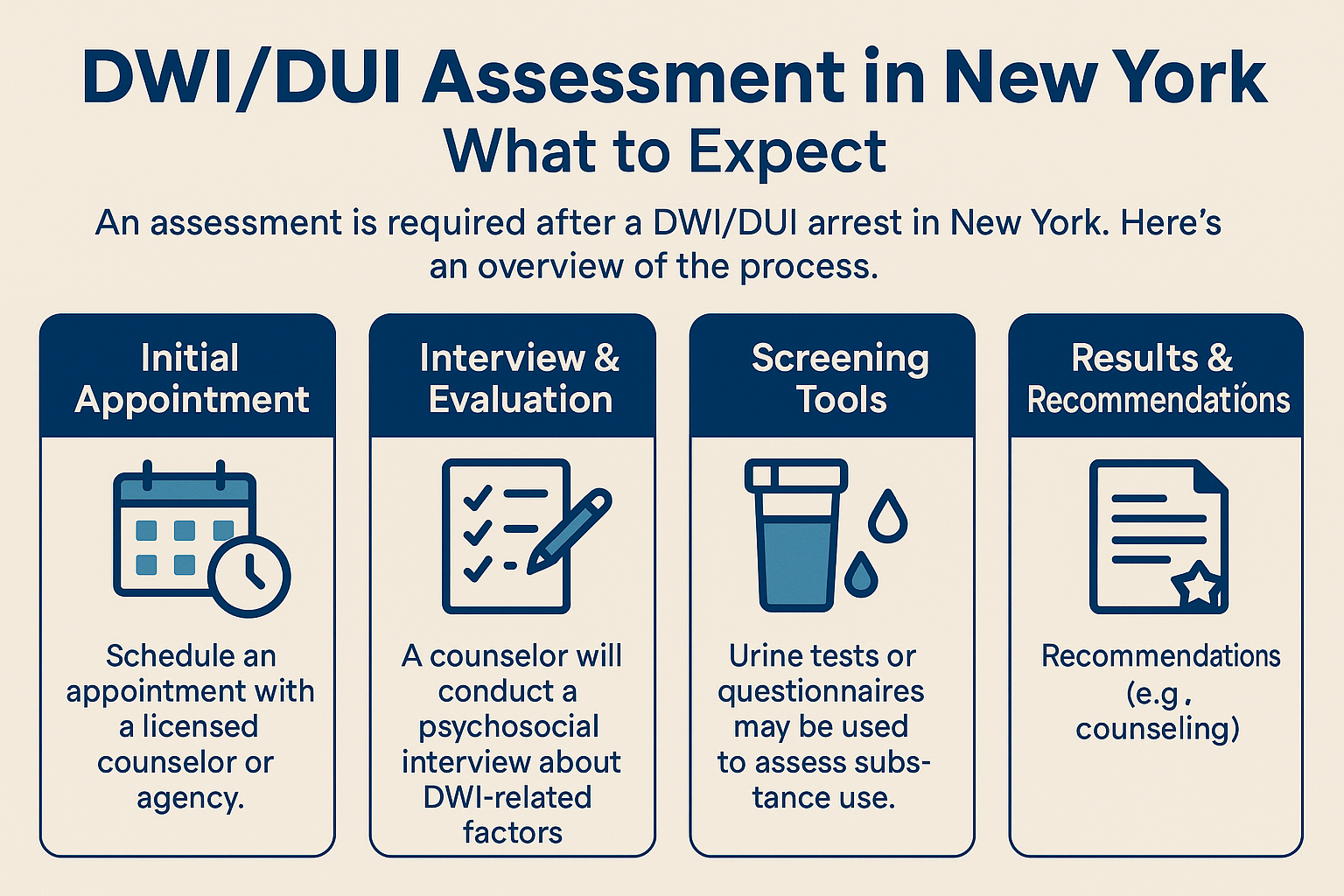
At Spring Hill Wellness, our DWI evaluation process is designed to be straightforward and supportive. A typical session lasts about 60 to 90 minutes and includes:

  1. Intake Appointment & Psychosocial Interview – A licensed clinician reviews your personal history, lifestyle, hobbies, social life, and physical and mental health.
  2. Review of Legal Documents – We look over your police report, breathalyzer tests, and any field sobriety test details or probable-cause documentation provided by the New York State Trooper or local law enforcement.
  3. Substance-Use Screening – You may complete standardized questionnaires and a urine drug screening or chemical test to measure blood-alcohol concentration (BAC).
  4. Evidence-Based Assessment & Clinical Review – The clinician uses time-tested assessment tools to evaluate risk levels and determine whether substance use education or treatment is necessary.
  5. Evaluation Report & Recommendations – You receive a written summary suitable for your court process, criminal defense attorney, or Driver Improvement Unit, including whether treatment options or continued monitoring are recommended.

This process aligns with Part 136.1 (b)(3) of the NYS DMV Regulations, ensuring every assessment meets state requirements for accuracy and fairness.

Required Documentation and Forms

Before your appointment, you’ll need:

  • Valid driver license or photo ID
  • Police Report or breathalyzer report from the arresting agency
  • Any court or probation paperwork
  • The DS-449 Form (official OASAS Drug and Alcohol Assessment Referral)
  • Insurance or payment information

If your assessment is court-ordered in Suffolk County or the Hudson Valley, results are automatically shared with the appropriate Driver Improvement Unit or court clerk, helping to streamline the license restoration process.

What Questions Will They Ask?

Clients often worry about what happens in the room. The psychosocial interview covers:

  • Your alcohol or drug-use history
  • Medical records, medication use, and physical health
  • Family history and mental health background
  • Daily routines, stressors, and coping strategies
  • Attitudes toward alcohol and safe driving

Your counselor may ask about the traffic stop, breathalyzer results, or use of an ignition interlock device if applicable. Remember, the conversation is confidential and focused on creating a plan that satisfies the legal system and supports your recovery.

How Long Does a DWI/DUI Assessment Take?

The entire appointment typically lasts about 90 minutes. Some evaluations require an additional follow-up or verification session if documents are incomplete. Clients who prefer convenience can choose virtual assessments through secure, HIPAA-compliant telehealth platforms.

If Treatment or Education Is Recommended

Depending on your results, you may be referred to:

  • The Impaired Driver Program (IDP) or Drinking Driver Program for education
  • An Outpatient Counseling or Rehabilitation Center such as Spring Hill Wellness
  • Alcoholics Anonymous or Narcotics Anonymous meetings for peer support
  • A DOT Substance Abuse Professional (DOT/SAP) Evaluation if you hold a commercial driver license

Our team can also help coordinate Medication-Assisted Treatment, ongoing Substance Abuse Counseling, or alcohol rehabilitation programs to satisfy both OASAS and DMV requirements.

How Spring Hill Wellness Helps New Yorkers

Spring Hill Wellness, located in Manhattan, is fully OASAS-certified to perform DWI/DUI alcohol evaluations throughout New York City and New York State. Our licensed clinicians provide a non-judgmental environment, using evidence-based assessments and a clinical assessment process that meets every assessment standard required by law.

We also handle coordination with attorneys, courts, and probation officers so your evaluation report and Letters of Recommendation reach the proper agencies promptly. Clients across Brooklyn, Queens, The Bronx, Hudson Valley, and Long Island rely on us for fast, confidential assessments and clear next steps toward license restoration and compliance.

Taking the Next Step

Completing your DWI/DUI Alcohol Assessment is an important step toward regaining your driving privileges and rebuilding peace of mind. Whether you were referred after a traffic stop, a court hearing, or as part of a DOT/SAP evaluation, our team is here to help you navigate the process with care and professionalism.

Contact Spring Hill Wellness today to schedule your OASAS-approved Alcohol Assessment — available in person or online — and take the first step toward getting your license restored and your life back on track.

Contact Us Today

start your treatment.

Recent Articles

6 Tips To Stop Binge Drinking

6 Tips To Stop Binge Drinking

October 17, 2024
Understanding Binge Drinking Binge drinking is a concerning pattern of alcohol consumption that poses significant risks to both physical and mental health. Understanding the definition of binge drinking and being aware of its associated risks and consequences is essential in addressing and overcoming this destructive behavior. Definition of Binge Drinking Binge drinking is characterized by the consumption of a large amount of alcohol in a short period of time, typically leading to a blood alcohol concentration (BAC) of 0.08% or higher. This pattern of drinking can result in intoxication and impaired judgment, increasing the likelihood of risky behaviors and negative outcomes. Risks and Consequences Engaging in binge drinking places individuals at a heightened risk of various health and safety issues. Some of the risks and consequences associated with binge drinking include: Risks and Consequences of Binge Drinking Increased risk of alcohol poisoning Impaired cognitive function and decision-making Physical injuries and accidents Development of alcohol use disorder Adverse effects on mental health, including depression and anxiety Relationship problems and social isolation Understanding the risks and consequences of binge drinking is crucial in taking proactive steps towards breaking this harmful pattern. By recognizing the negative impacts of binge drinking on overall well-being, individuals can empower themselves to make positive changes and seek support to achieve a healthier relationship with alcohol. Recognizing Patterns When it comes to addressing binge drinking behaviors, it is essential to first recognize the patterns associated with this detrimental practice. By being able to identify the signs of binge drinking and understand the triggers and root causes behind this behavior, individuals can take the first steps towards breaking the cycle of excessive alcohol consumption. Signs of Binge Drinking Binge drinking is characterized by the consumption of large quantities of alcohol in a short period, leading to a state of intoxication. Recognizing the signs of binge drinking is crucial in determining whether one is engaging in this harmful behavior. Some common signs of binge drinking include: Sign of Binge Drinking Description Drinking to Excess Consuming a significant amount of alcohol in a short duration, often leading to intoxication. Loss of Control Inability to limit or stop drinking once started, frequently surpassing intended limits. Blackouts Memory lapses or gaps in recollection due to alcohol-induced impairment. Risky Behavior Engaging in dangerous activities while under the influence of alcohol. Triggers and Root Causes Understanding the triggers and root causes of binge drinking is essential for effectively addressing and overcoming this harmful behavior. Triggers are the situations, emotions, or experiences that prompt individuals to turn to alcohol as a coping mechanism. Root causes are the underlying issues or factors that contribute to the development of binge drinking habits. Some common triggers and root causes of binge drinking include: Triggers of Binge Drinking Root Causes of Binge Drinking Stress Psychological factors such as anxiety, depression, or trauma. Social Pressure Peer influence, societal norms, or cultural acceptance of heavy drinking. Emotional Distress Unresolved emotional issues, relationship problems, or low self-esteem. Boredom Lack of fulfilling activities, hobbies, or purpose in life. By recognizing the signs of binge drinking and identifying the triggers and root causes behind this behavior, individuals can gain valuable insights into their alcohol consumption patterns. This self-awareness is the first step towards breaking the cycle of binge drinking and making positive changes towards a healthier lifestyle. Commitment to Change When it comes to breaking binge drinking patterns, one of the key steps towards change involves the commitment to seek help and build a supportive network. Recognizing the challenges and making a firm decision to address them is crucial in the journey towards sobriety. The Importance of Seeking Help Seeking help is a vital aspect of overcoming binge drinking habits. Whether it's through professional counseling, support groups, or trusted individuals, reaching out for assistance can provide valuable guidance and resources to navigate the complexities of addiction. It's essential to acknowledge that asking for help is a sign of strength, not weakness. By seeking support, individuals can access specialized interventions, coping strategies, and a non-judgmental space to discuss their struggles and progress towards recovery. Building a Support System Building a strong support system is an integral part of maintaining sobriety and breaking free from binge drinking patterns. Surrounding oneself with understanding and encouraging individuals who prioritize well-being can create a positive environment for growth and accountability. Support systems can include trusted friends, family members, therapists, or support groups dedicated to addressing substance abuse. By fostering connections with those who offer genuine care and understanding, individuals struggling with binge drinking can find strength, solidarity, and motivation in their journey towards lasting change. Embracing the importance of seeking help and establishing a robust support system lays a solid foundation for individuals committed to overcoming binge drinking habits. By leveraging the power of assistance and community, individuals can navigate the challenges, celebrate victories, and stay resolute on the path towards a healthier and fulfilling lifestyle. 6 Tips to Break Binge Drinking Patterns For individuals looking to break free from binge drinking habits, implementing effective strategies is key to achieving long-term sobriety. Here are six proven tips to help individuals stop binge drinking and regain control over their lives. Tip 1: Set Clear Goals Setting clear and achievable goals is essential when embarking on the journey to break binge drinking patterns. Define specific objectives related to reducing alcohol consumption, such as limiting the number of drinks per week or abstaining completely for a certain period. Tracking progress towards these goals can provide motivation and a sense of accomplishment. Tip 2: Establish Healthy Alternatives Replacing binge drinking with healthier alternatives can help individuals cope with stress or social situations without turning to alcohol. Encourage activities that promote well-being, such as exercise, relaxation techniques, hobbies, or spending time with supportive friends and family members. Creating a positive environment that supports sobriety is crucial in breaking the cycle of binge drinking. Tip 3: Practice Stress Management Techniques Stress is a common trigger for binge drinking, so learning effective stress management techniques is essential for maintaining sobriety. Explore methods like mindfulness, deep breathing exercises, yoga, or journaling to reduce stress levels and promote emotional well-being. Finding healthy ways to cope with stress can prevent the urge to turn to alcohol as a means of escape. Tip 4: Learn to Say No Learning to set boundaries and say no to situations that may lead to binge drinking is a vital skill in recovery. Practice assertiveness and communicate your limits to friends, peers, or social settings where alcohol is prevalent. Surround yourself with individuals who respect your decisions and support your journey to sobriety. Tip 5: Address Underlying Issues Binge drinking patterns are often rooted in deeper emotional or psychological issues. It's essential to address and work through these underlying factors with the help of a therapist, counselor, or support group. By understanding the reasons behind the behavior and developing healthy coping mechanisms, individuals can effectively break the cycle of binge drinking. By implementing these tips and committing to a path of recovery, individuals can take proactive steps towards breaking free from binge drinking patterns and leading a healthier, more fulfilling life. Celebrate small victories along the way and stay committed to sobriety, knowing that each positive choice brings you closer to your goal of a balanced and alcohol-free lifestyle. Continued Progress and Maintenance As individuals embark on the journey to break binge drinking patterns, it is essential to focus on continued progress and maintenance to ensure long-term success in overcoming this behavior. This section highlights the importance of celebrating small victories along the way and staying committed to sobriety. Celebrating Small Victories Celebrating small victories plays a significant role in reinforcing positive behavior change and boosting motivation to continue on the path to sobriety. Acknowledging and celebrating minor milestones, such as a sober weekend or successfully resisting triggers, can provide a sense of achievement and encouragement. Small Victory Description Completing a week without binge drinking Setting and achieving short-term goals Successfully practicing stress management techniques Learning to cope with triggers in a healthy manner Attending a social gathering without alcohol Building confidence in social settings without relying on alcohol By recognizing these small wins, individuals can build momentum, increase self-confidence, and reaffirm their commitment to breaking binge drinking patterns. It's important to acknowledge the progress made, no matter how small, and use it as a positive reinforcement to continue moving forward. Staying Committed to Sobriety Staying committed to sobriety is a continuous effort that requires dedication, perseverance, and resilience. It involves actively engaging in strategies to maintain sobriety, managing triggers effectively, and seeking support when needed. By prioritizing sobriety and making healthy choices, individuals can establish a sustainable lifestyle free from binge drinking. Strategies for Sobriety Maintenance Engaging in regular counseling or therapy sessions Participating in support groups or Alcoholics Anonymous meetings Incorporating healthy habits into daily routines, such as exercise and mindfulness practices Developing a strong support network of friends, family, or sponsors By consistently implementing these strategies and staying vigilant in managing triggers and cravings, individuals can strengthen their resolve to remain sober and prevent relapse. Maintaining sobriety is a lifelong journey that requires ongoing commitment, self-awareness, and a proactive approach to health and well-being.
Can Exercise Help Conquer Addiction?

Can Exercise Help Conquer Addiction?

October 17, 2024
Explore how exercise conquers addiction! Discover the link between fitness and overcoming challenges.
The Link Between Exercise and Addiction Recovery

The Link Between Exercise and Addiction Recovery

October 17, 2024
Unveil the powerful connection between exercise and addiction recovery. Explore benefits, set goals, and reclaim your spirit!